
Credit ID Theft
Preserve Evidence for Your Credit Dispute or FCRA Case
Damages-proof is the single biggest variable in FCRA litigation. Two consumers with identical facts can have very different outcomes - one whose file is a wall of certified-mail receipts, adverse-action letters, and contemporaneous notes, and one whose file is a vague recollection.
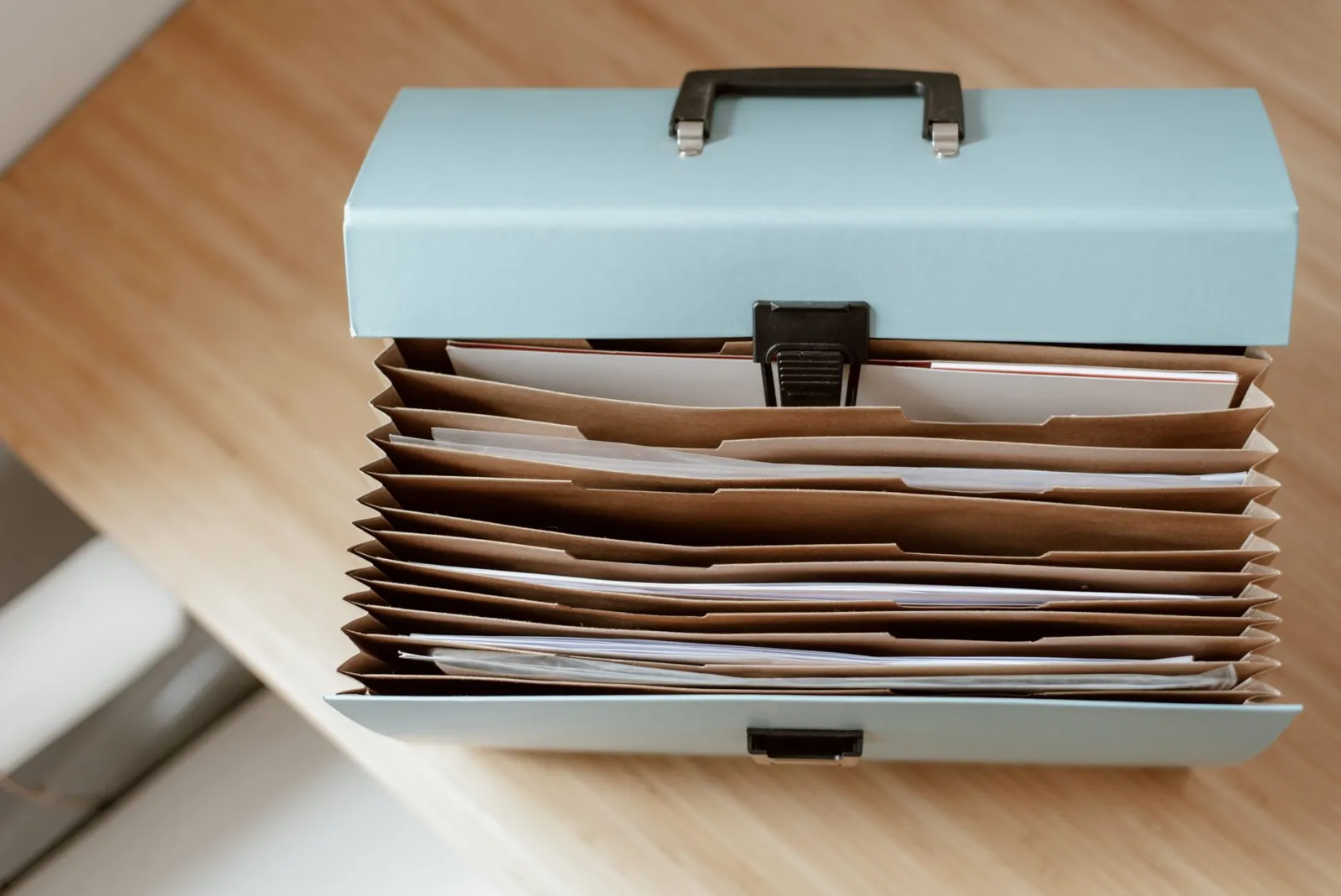
The evidence file
What to keep - the master checklist
| Category | What to save | Why |
|---|---|---|
| Credit reports | Every credit report you pull (Big 3 and specialty CRAs), in its original PDF/printout. | Foundation evidence. Each report establishes what was being reported on a specific date. |
| Dispute letters | Complete copy of every letter, every enclosure, the certified-mail receipt, the green card, and the USPS tracking printout. | Proof you disputed and proof of the CRA/furnisher 30-day clock start. |
| CRA results | The "reinvestigation results" document and the updated credit file the CRA sends after disputing. | Shows whether the CRA actually investigated or rubber-stamped "verified." |
| Furnisher correspondence | Statements, collection letters, account-closure confirmations, lawyer letters from collectors, voicemails. | Shows ongoing furnishing despite identity-theft notice. |
| Adverse-action notices | Every credit, insurance, employment, or rental denial that mentions a consumer report. | Damages and roadmap to which CRAs were used. |
| FTC Identity Theft Report | The PDF generated at IdentityTheft.gov. | Required for § 605B block; baseline sworn document. |
| Phone-call log | Date, time, the company called, the agent name and ID, the reference number, the result. | Furnishers and bureaus often misremember (or destroy) call records. |
| Time-spent log | Date, time, what you did, how long. Include time spent at police stations, on hold, drafting letters. | Time is compensable under § 1681n/o. |
| Out-of-pocket expenses | Postage, certified-mail fees, notary fees, parking, lost wages, transportation. | Actual damages. |
| Emotional-distress notes | Contemporaneous diary or note-app entries about sleep, anxiety, embarrassment, work stress. | Emotional-distress damages are a recognized FCRA category. |
How to organize
You don't need anything fancy. A single folder on your computer (and a paper folder) with sub-folders for each category. Name files with the date first: 2026-06-04 Equifax dispute letter and enclosures.pdf. Keep an index spreadsheet (date, who, what, where stored). If a lawyer becomes involved, the organized file shortens the intake by weeks.
What not to do
- •Don't throw anything away - including envelopes (they show postmark) and form letters that look generic.
- •Don't rely on accounts staying live. Export e-mails, download bank statements, and screenshot online dispute portals before they change.
- •Don't sign releases.If a furnisher offers to “remove” the tradeline in exchange for a release, that may waive your FCRA claim. Get advice first.
- •Don't alter or annotate originals. Make copies for highlighting and circling.
Why this is worth your time
The FCRA shifts attorney's fees to the defendant on a winning case. That means a strong documented file converts directly into leverage. Most well-documented cases settle without trial. Most poorly documented cases settle for less than they should - or don't settle at all. Twenty minutes of file-keeping a week, for the duration of a dispute, can be worth more to the case than any legal argument.